
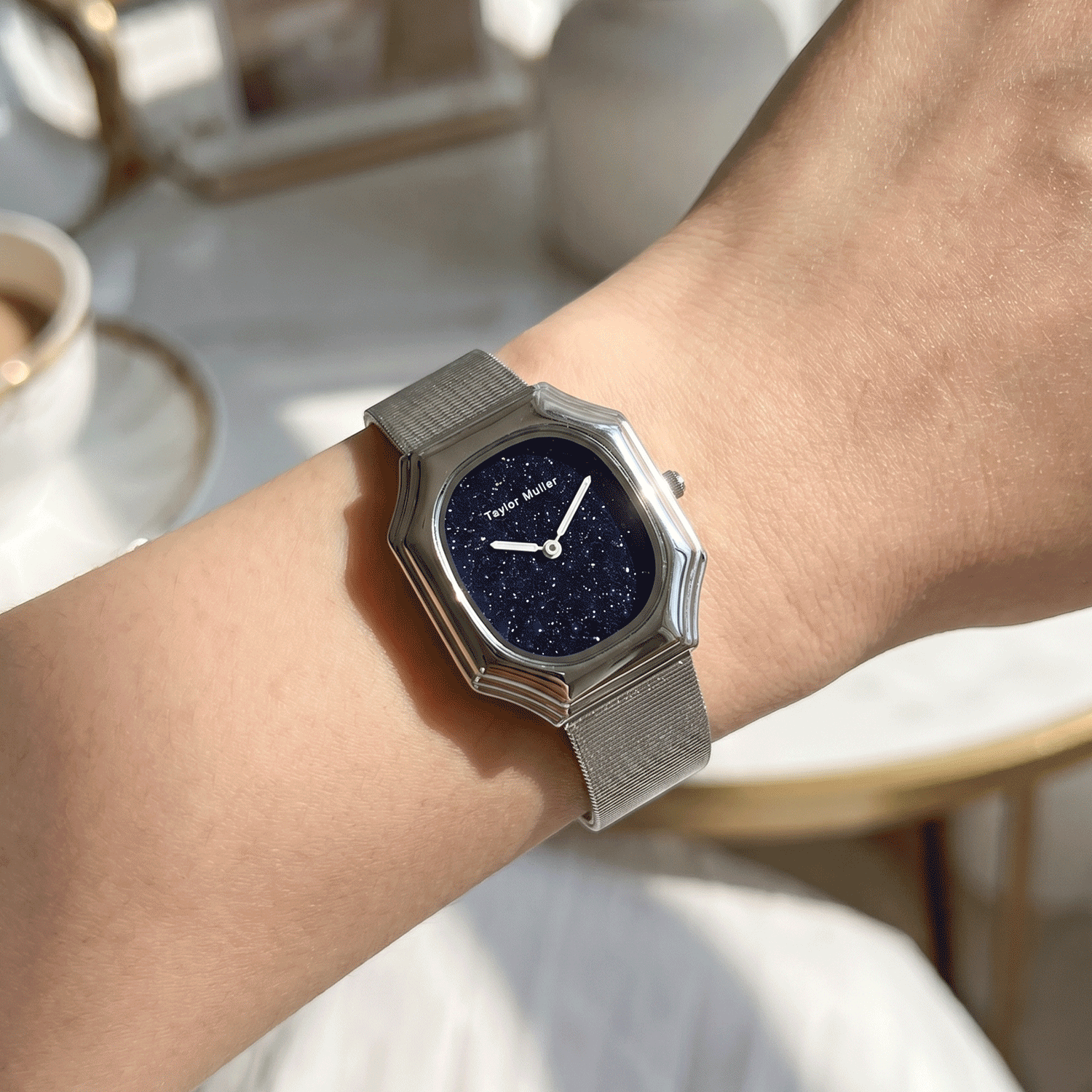
3, 5 and 10 ATM: what the numbers mean, and how we test
A practical guide to 3, 5 and 10 ATM water-resistance claims, the assembled parts that determine performance, and the checks a buyer should request before approving a watch.
Home/Watch manufacturing notes from the factory
Notes from the factory
Tooling, movements, MOQ, lead times, certification and the mistakes that cost buyers money — written by the people who run the workshop, not by an agency.
A practical guide to 3, 5 and 10 ATM water-resistance claims, the assembled parts that determine performance, and the checks a buyer should request before approving a watch.
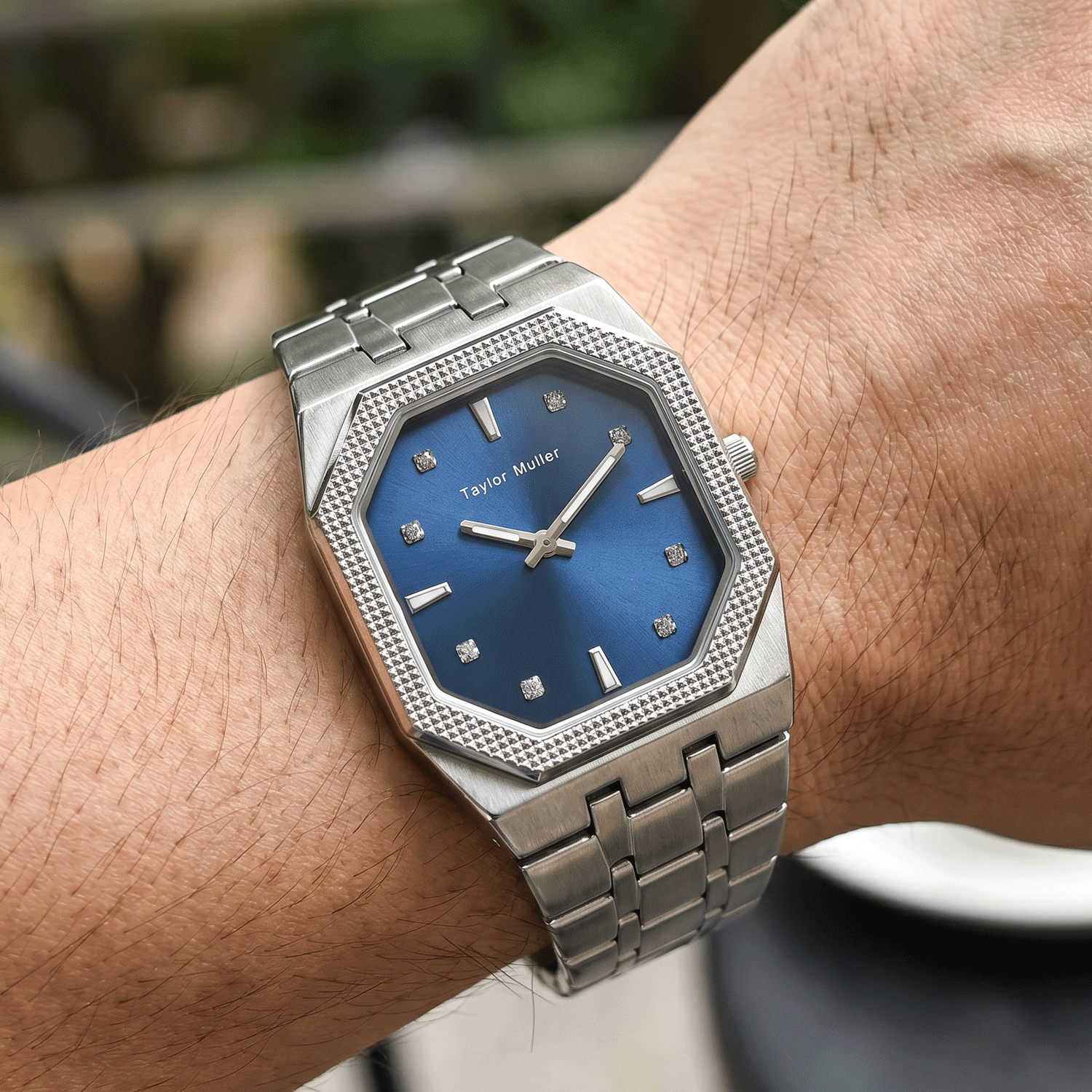
What lug width really measures, why 20 mm is such a practical standard, and how spring bars, strap thickness, curved ends and case geometry…
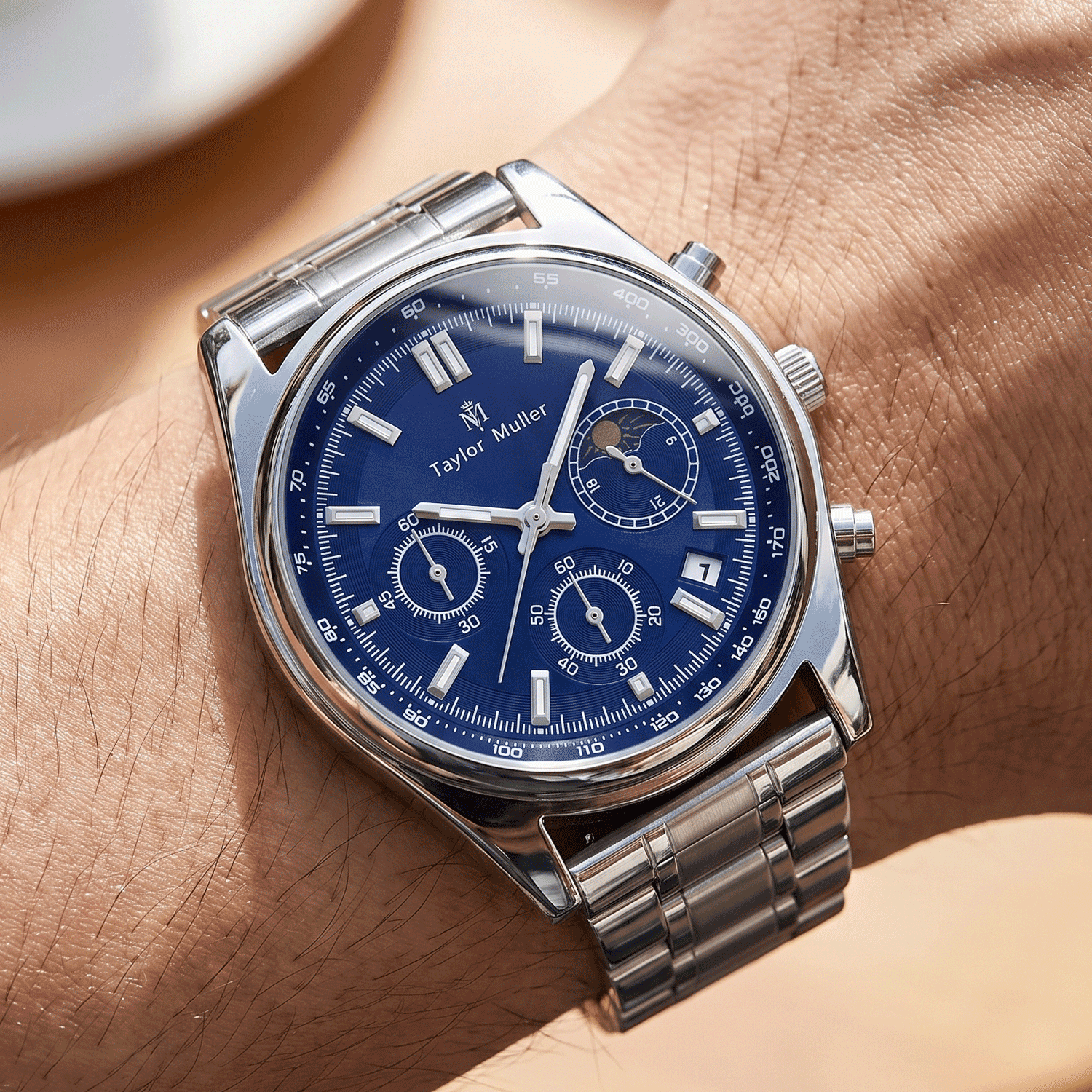
How to judge 36, 40 and 44 mm watch cases by the whole construction, why diameter alone cannot predict fit, and what the factory…
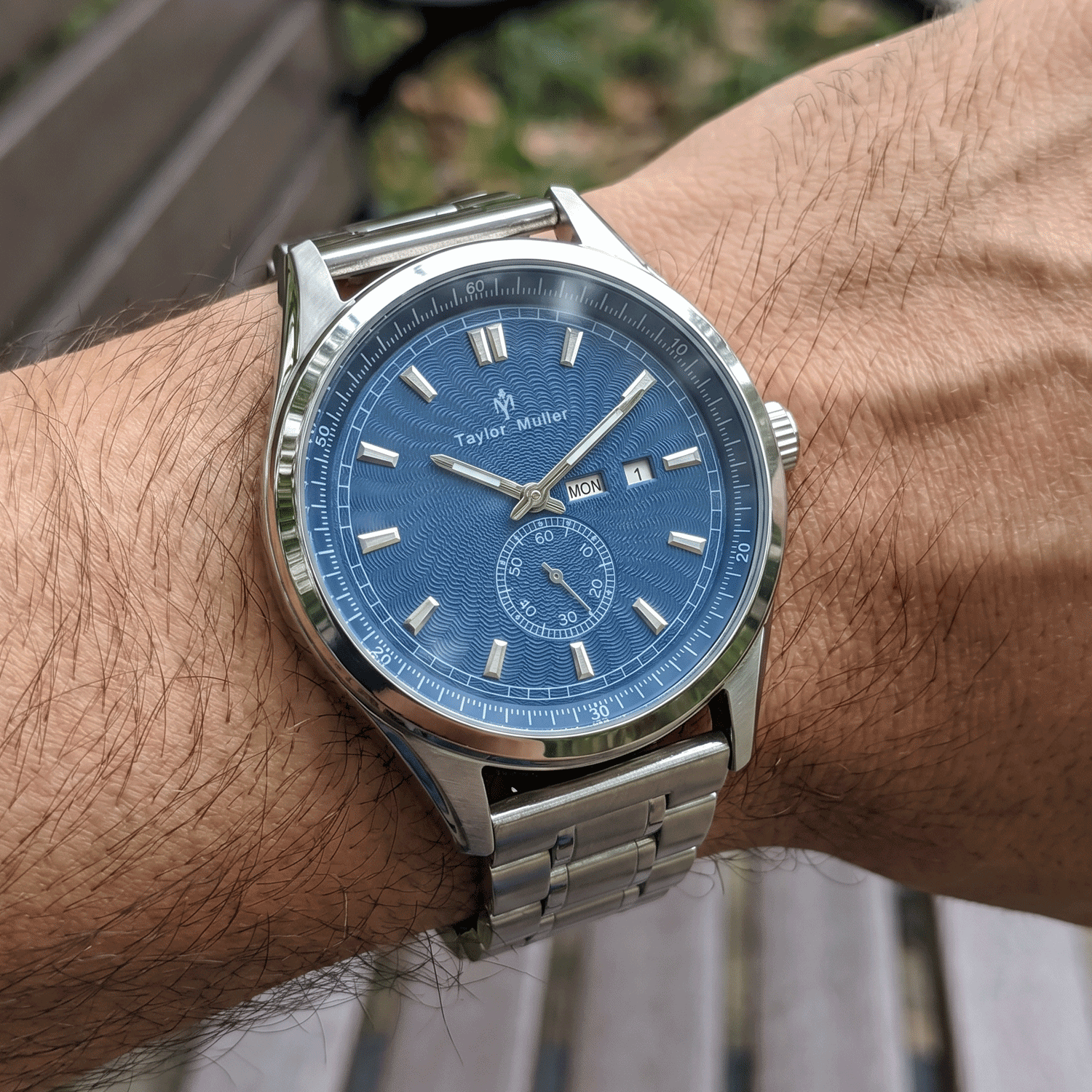
Why a watch dial can look different from sample to bulk order, how Pantone references should be specified, and the physical approval standard that…
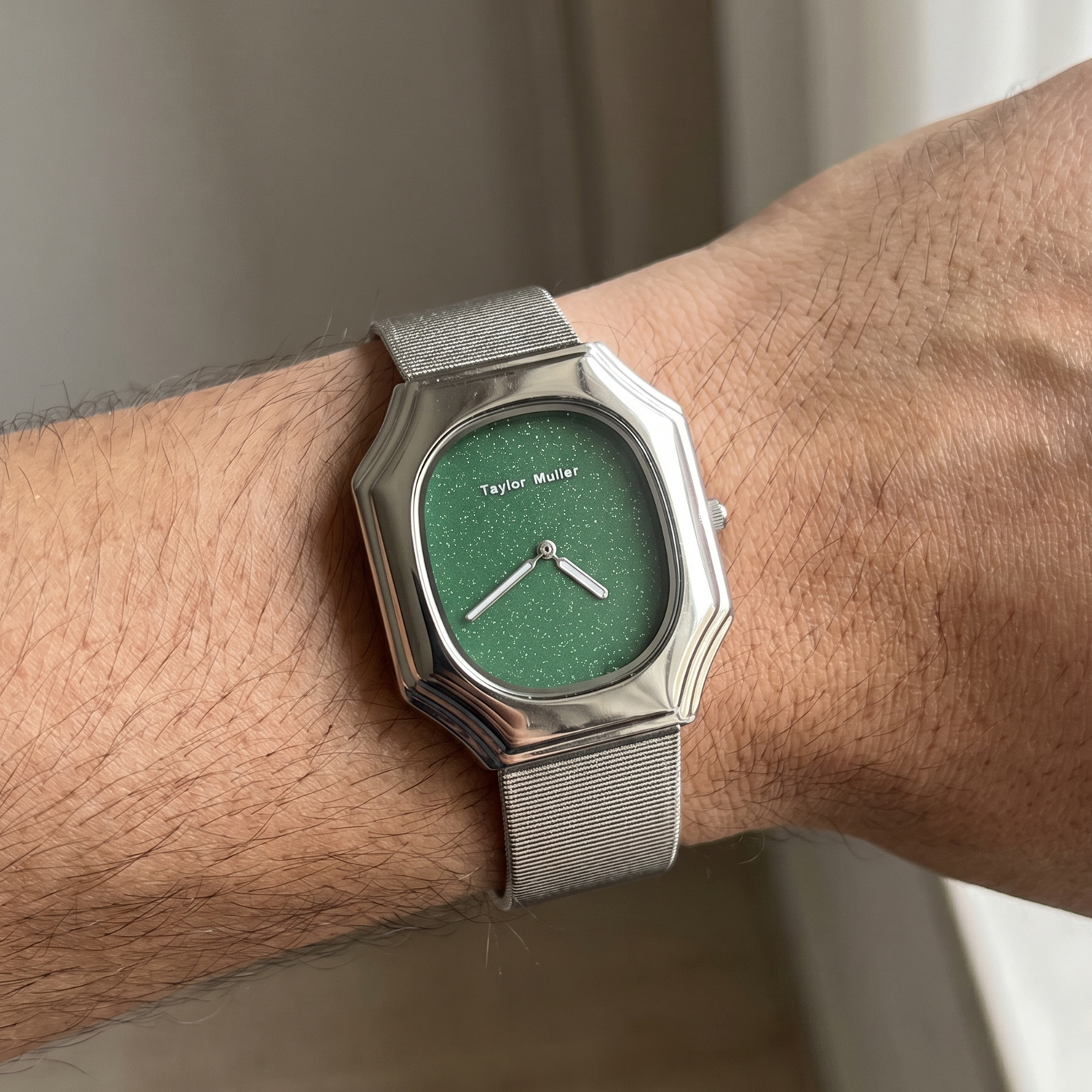
A practical, factory-readable watch specification: what to put on one page, which decisions to lock before sampling, and the details that prevent unnecessary quotation…

A logo can appear on the dial, crown, clasp, case back and strap. They do not carry the same weight, and they do not…
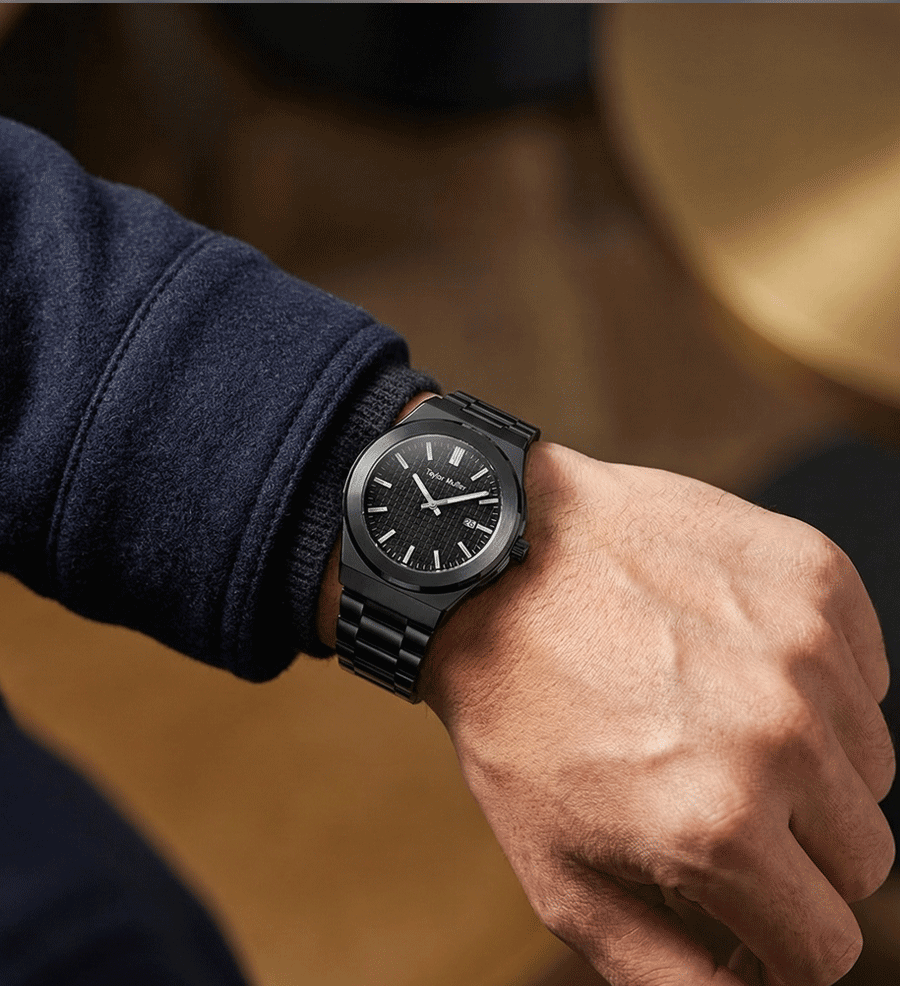
A strap is not an accessory added after the watch is designed. It decides how the watch wears, how often it needs replacing and…
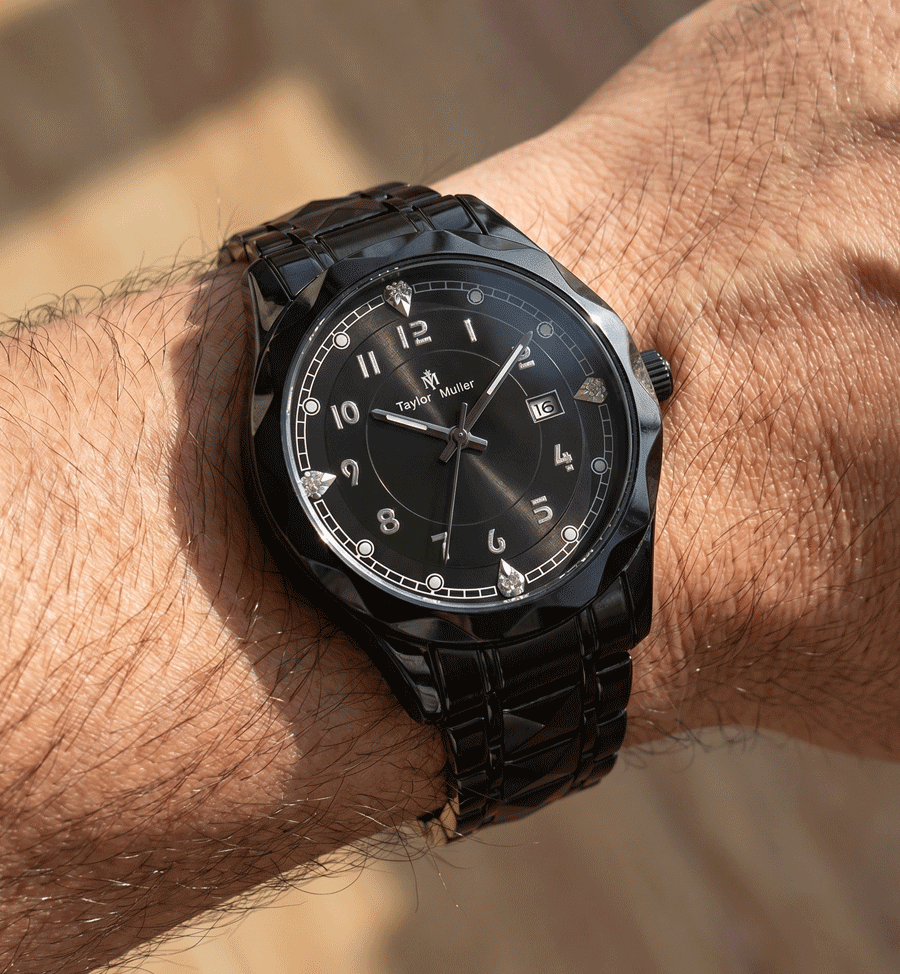
The crystal is one of the easiest places to cut a watch specification, and one of the first details a customer notices after months…
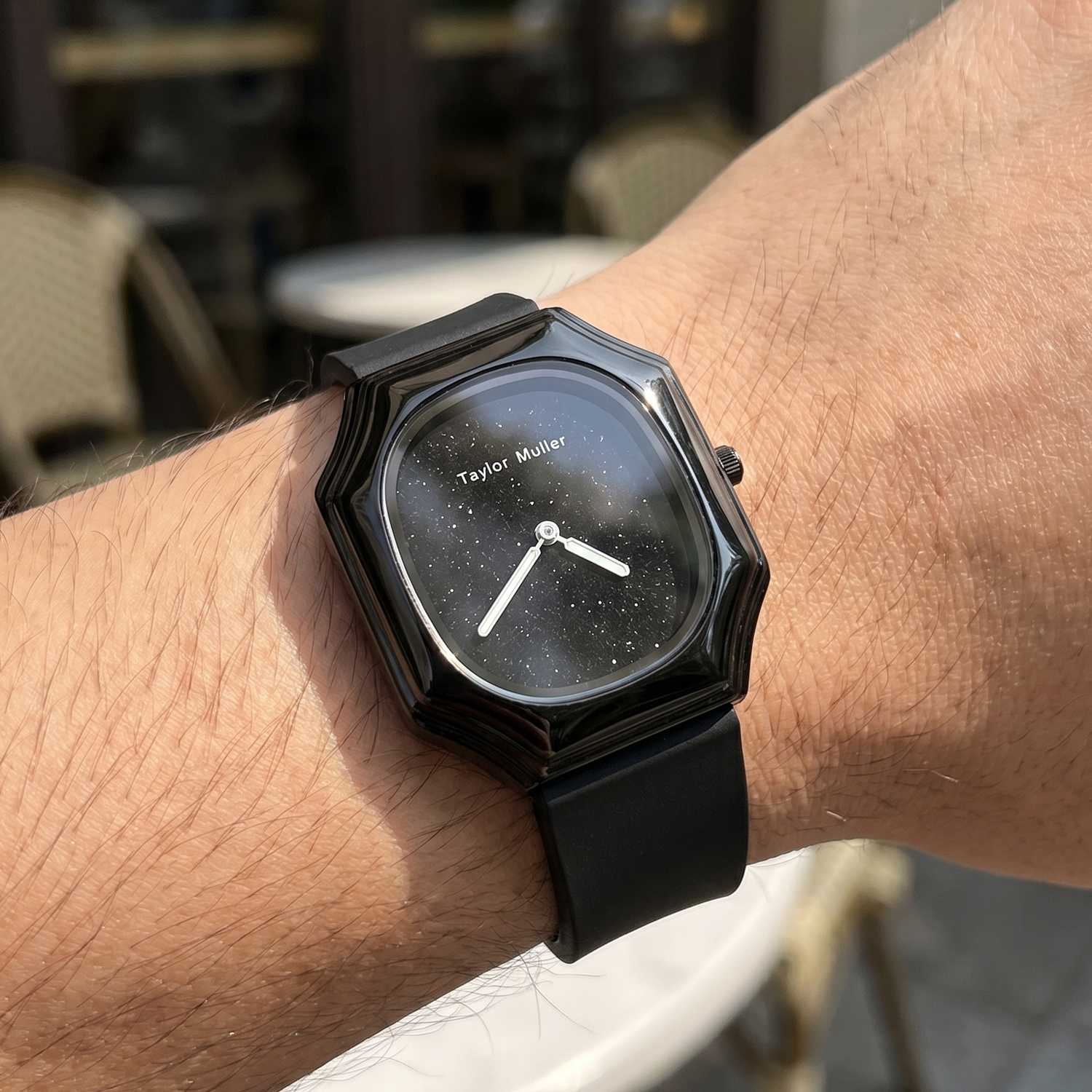
A dial can look superb in a photograph and be hard to read on a wrist. Readability is not one feature — it is…
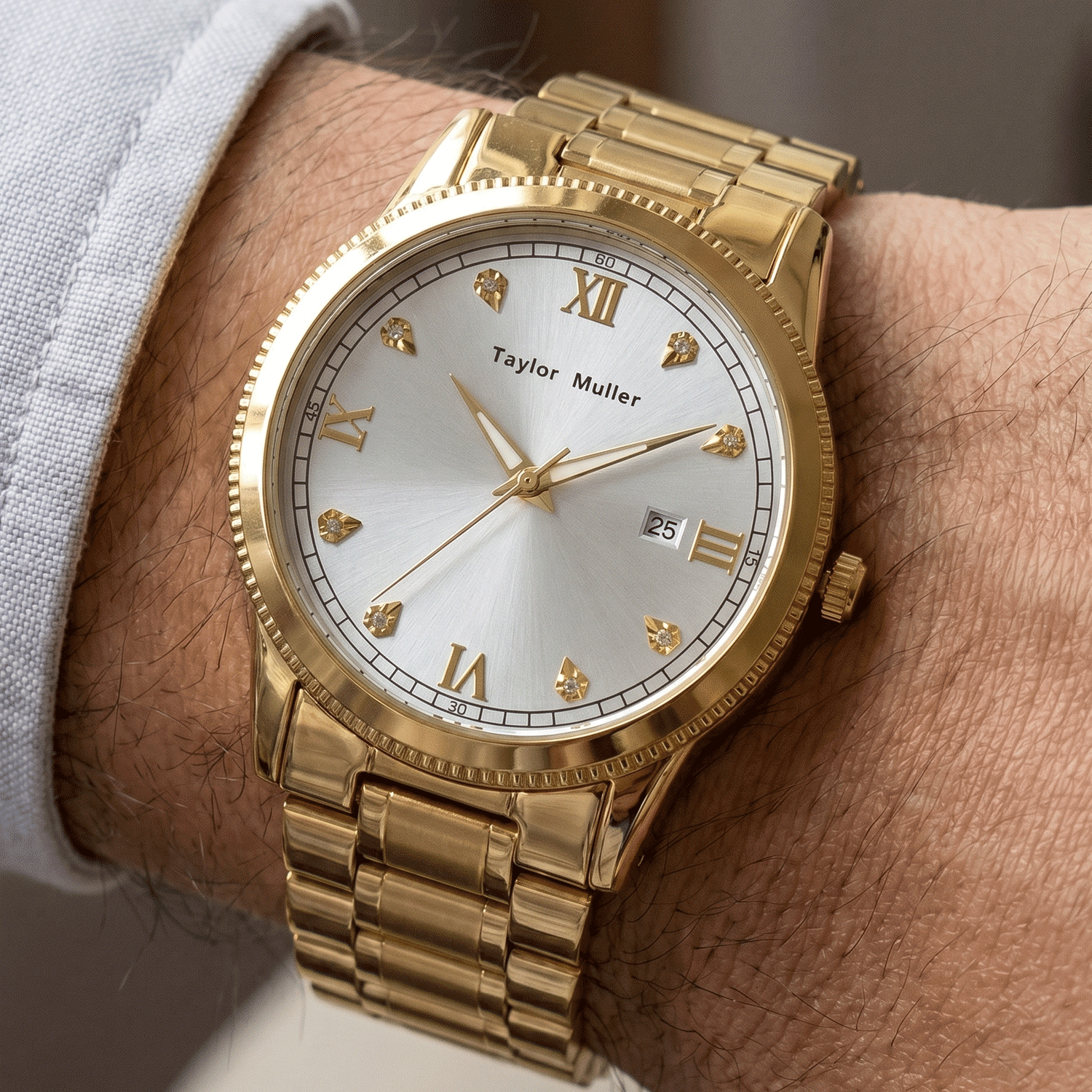
At three metres the two dials are the same photograph. At thirty centimetres one looks like a product and the other looks like a…
Have a question we have not written about?
Send your question through the form. We answer it, and it often becomes the next article.
Ask your questionRequest a quote
One moment — opening the form…